

Understanding Equine Herpesvirus (EHV)
What Horse Owners Need to Know
22 November 2025 at 6:24 amBy b.wehner
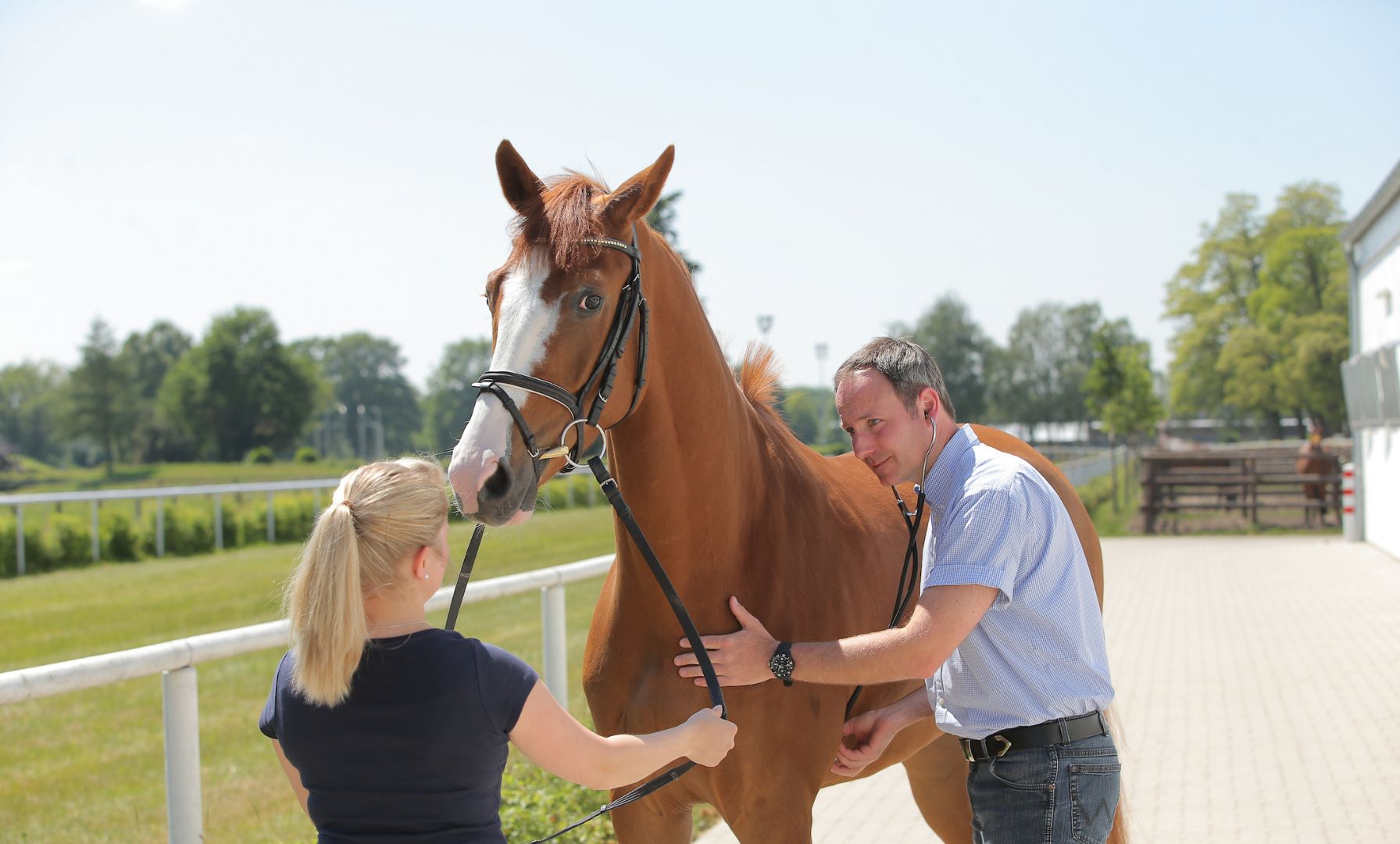
Equine herpesvirus (EHV), commonly referred to as equine rhinopneumonitis, is a group of highly contagious viruses that affect horses worldwide. Of the nine identified strains, EHV-1, EHV-3, and EHV-4 present the greatest concern for horses in the United States. While these viruses can cause serious illness in horses, they do not pose a risk to people.
EHV Strains and Their Impact
EHV-1 is the most significant strain, known for causing upper respiratory disease and abortions or stillbirths in pregnant mares. In some cases, it can develop into equine herpes myeloencephalopathy (EHM), a severe and sometimes fatal neurological condition.
EHV-3 is linked to coital exanthema, a venereal disease affecting the reproductive tract.
EHV-4 primarily affects foals with respiratory illness and can occasionally cause abortion or neurological symptoms. Horses infected with EHV that do not progress to EHM typically recover without lasting complications.
Clinical Signs to Watch For
Clinical signs of EHV can vary widely. Some horses show no symptoms, while others may display:
• Fever
• Nasal discharge or coughing
• Depression or lethargy
• Difficulty urinating
• Loss of tail tone
• Stumbling or hind-limb weakness that may progress to all limbs
• In severe cases, an inability to rise
• Abortion in pregnant mares
How EHV Spreads
EHV-1 and EHV-4 spread easily through nose-to-nose contact, contaminated equipment such as buckets, tack, and grooming tools, and respiratory secretions in shared spaces like stalls or barns. Aborted fetuses and placental tissues can also contain high viral loads.
EHV-3 spreads through breeding or contaminated breeding equipment.
Prevention and Biosecurity
Prevention relies heavily on diligent management. Vaccination is recommended to reduce the severity of respiratory illness and lower the risk of abortion, especially in breeding programs. While current vaccines help reduce symptoms and viral shedding, they are not effective against the neurologic form, EHM.
New or returning horses should be isolated for at least 21 days and monitored closely for signs of illness. Pregnant mares and mares with foals should be housed separately and kept away from recently traveled horses.
Daily hygiene is essential. Buckets, tack, grooming tools, mucking equipment, and shared items should be cleaned and disinfected regularly. Tack and equipment should never be shared at shows or boarding facilities without proper sanitation.
Treatment and Recovery
Most horses recover with supportive care, including anti-inflammatory medications and IV fluids when needed. Severe neurological cases may require hospitalization and advanced veterinary treatment.
Source
Information provided by the U.S. Department of Agriculture.
Photo by Stefan Lafrentz
Related Articles
FEI Publishes Equestrian Qualification Systems for 2028 Olympics in Los Angeles
The Equestrian Qualification systems for the Los Angeles 2028 Olympics Games were approved at the FEI General Assembly 2025, and by the International Olympic Committee (IOC) Executive Board during their meeting earlier this month (December 2025).
Other13 hours ago
Two Barns at Tampa Bay Downs Quarantined Following Equine Herpesvirus Case
Tampa Bay Downs in Oldsmar, Fla., has placed two barns under quarantine after a horse tested positive for Equine Herpesvirus (EHV), according to an announcement released on the track’s official social media channels.The specific strain of the virus has not yet been confirmed.
Other12 December 2025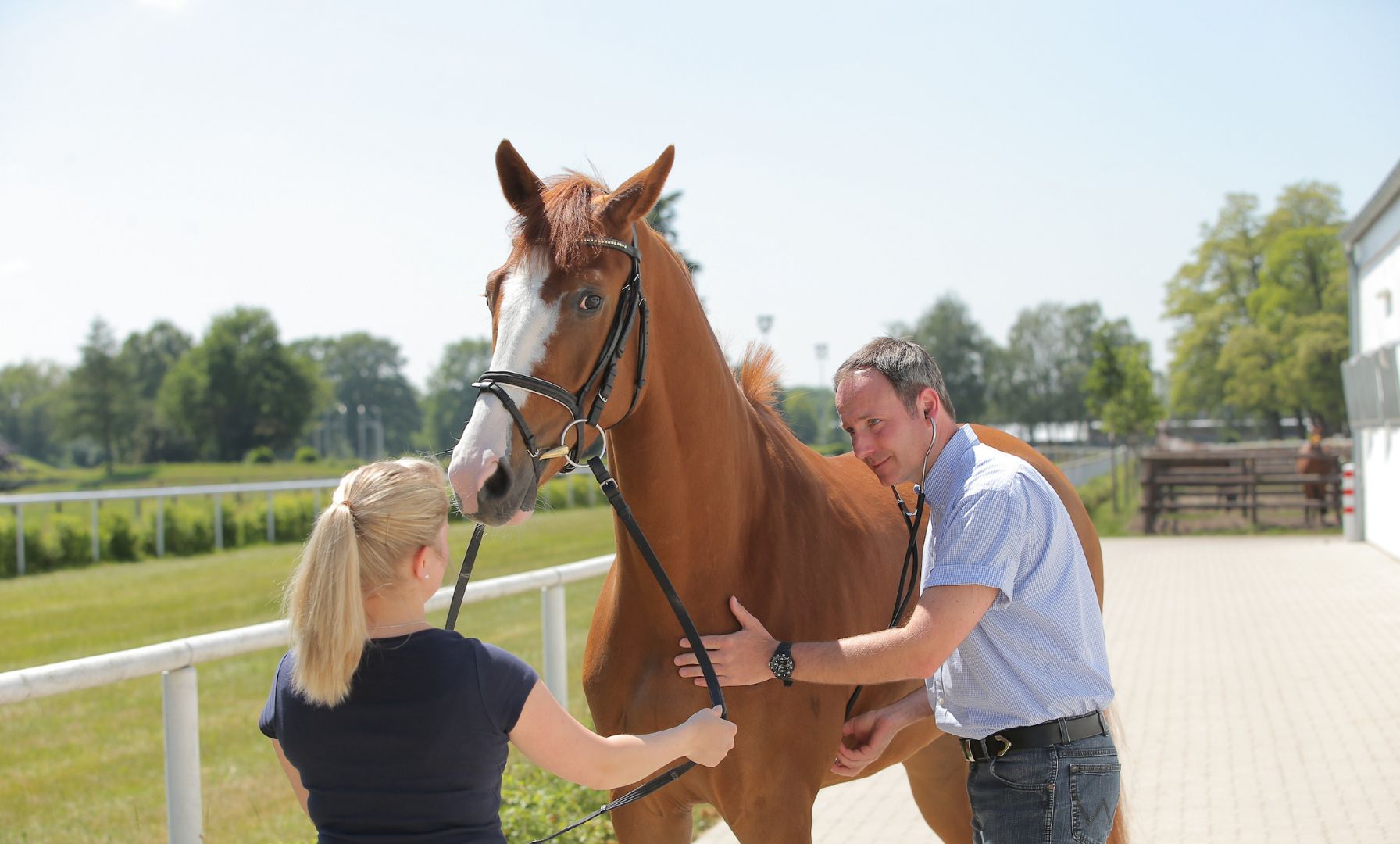
Your Ultimate Equestrian Christmas Gift Guide
The holiday season is here, and whether you're shopping for your horse, your barn bestie, or treating yourself (because let’s be honest—we all deserve it), we’ve wrapped up the ultimate equestrian gift guide for Christmas. From thoughtful stable essentials to rider must-haves, these ideas will bring joy to every horse lover in your life.
Other5 December 2025
Latest News
World No. 1 Kent Farrington nominated as US Equestrian of Year
World No. 1 Kent Farrington has been nominated as US Equestrian of the Year and his Greya as a Horse of the Year nominee. Boyd Martin, the No. 2 ranked eventing rider in the world, was also nominated as Equestrian of the Year, along with driver Tracy Bowman.
Jumping6 hours agoFEI Publishes Equestrian Qualification Systems for 2028 Olympics in Los Angeles
The Equestrian Qualification systems for the Los Angeles 2028 Olympics Games were approved at the FEI General Assembly 2025, and by the International Olympic Committee (IOC) Executive Board during their meeting earlier this month (December 2025).
Other13 hours agoMark Bluman and Phelina de Septon Capture the 5* Winning Round in the Desert
Three is a lucky number for Colombian Mark Bluman. He and the 10-year-old Belgian Warmblood mare Philina de Septon were the last to go in the jump-off and clocked in at 33.33 seconds to win the $62,500 1.50m FEI 5* Winning Round by BrainJava.Ireland's Conor Swail and the 13-year-old Holsteiner gelding Theo 160 finished second in the Major League Show Jumping (MLSJ) class in Thermal, California.
Jumping15 December 2025